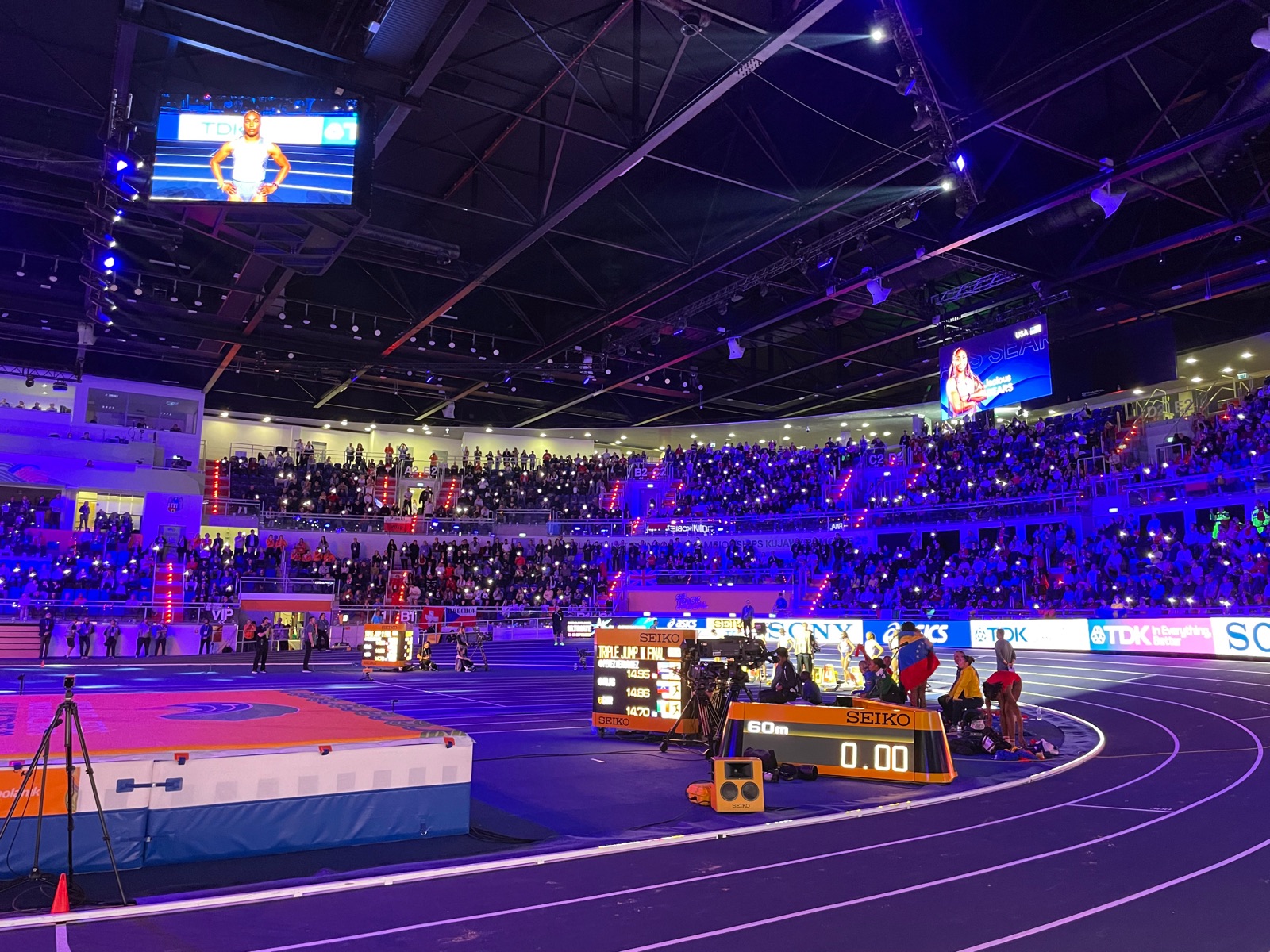
Something fundamental is changing in live sport.
For years, the stadium experience and the digital experience sat side by side but rarely connected. You had your ticket, you watched the game, and anything digital happened before or after.
That separation is disappearing.
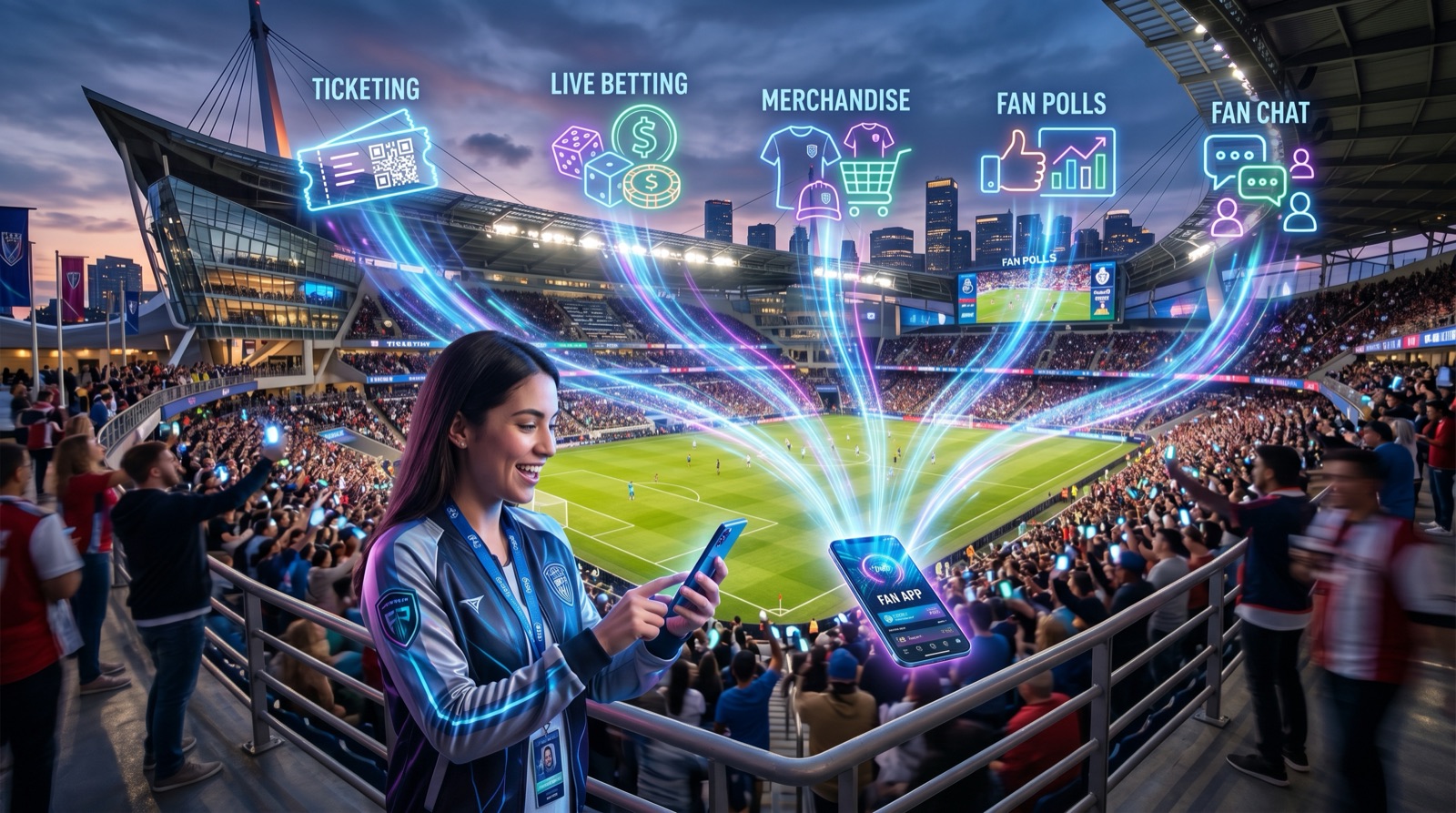
What is emerging now is a connected ecosystem where everything a fan does, from buying a ticket to engaging during the match, sits inside one continuous digital layer.
From Single Touchpoints to Connected Systems
The shift is not about one piece of technology. It is about how multiple systems are starting to work together.
Ticketing, payments, betting, games, content, and live interaction are no longer separate products. They are becoming part of a single journey.
You can already see this direction at scale.
At Super Bowl, the fan experience now extends far beyond the game itself. Mobile ticketing, in-seat ordering, real-time stats, betting integrations, and interactive brand activations all sit within the same digital flow.
In European football, clubs are investing heavily in app ecosystems that combine ticketing, loyalty programmes, and live engagement features into a single platform.
The model is clear. The venue is no longer just physical. It is digital as well.
Ticketing Is Becoming the Entry Point
Digital ticketing has quietly become the foundation of this ecosystem.
Clubs and event organisers are moving fully into mobile-first ticketing, not just for convenience, but for control and connection.
A digital ticket is no longer just access. It is an identity.
It links a fan to:
- Their purchase history
- Their location in the venue
- Their engagement behaviour
- Their eligibility for offers, rewards, and experiences
This is why organisations like Ticketmaster and major leagues are investing heavily in connected ticketing systems. It is the starting point for everything that follows.
Betting and Prediction Are Moving In-Stadium
Another major shift is the integration of live prediction and betting experiences.
In the US, leagues aligned with the National Football League and National Basketball Association have embraced regulated in-play betting and predictive gaming, often built directly into official apps and broadcast experiences.
Even where real-money betting is restricted, prediction games are becoming standard. Fans are asked to predict outcomes, vote on moments, and compete on leaderboards during the event.
This does two things:
- Keeps fans engaged during quieter moments
- Creates a second layer of competition alongside the sport itself
The key point is that this is happening live, not before or after.
Interactive Games and Live Participation
The next layer is real-time interaction.
Fans are no longer just responding to what happens on the pitch. They are taking part in parallel experiences.
This includes:
- Live voting
- Trivia and quizzes tied to the match
- Crowd-driven activations
- Real-time challenges and competitions
At global events like the Olympic Games, interactive layers are increasingly being built into the broader fan experience, both in-venue and at home.
The expectation is shifting. Watching is not enough. Participation is becoming part of the value of a ticket.
The Rise of Real-Time Engagement Platforms
This is where platforms like React sit.
The role of live engagement tools is to connect all of these layers in real time, inside the venue.
A fan arrives with a digital ticket.
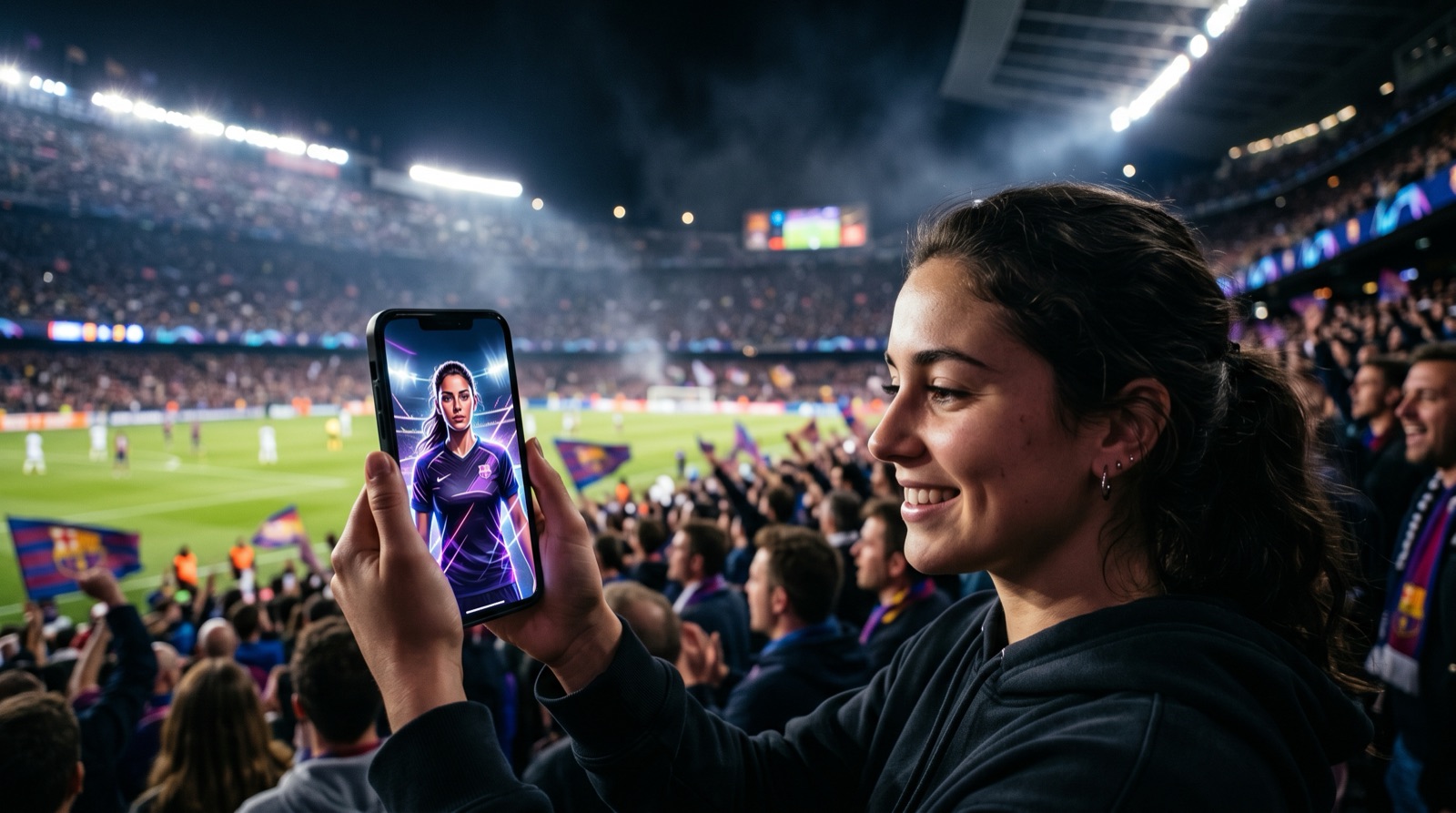
They scan and enter a live experience.
They take part in games, light shows, AR moments, or personalised content.
They share content that extends the event beyond the stadium.
All of this happens within a single session, not across multiple disconnected apps.
This is what turns a crowd into an active audience.
Why This Matters Commercially
For organisers, this ecosystem changes the business model.
It opens up:
- New sponsorship formats tied to interaction, not just visibility
- Better data on how fans behave in real time
- More opportunities to engage fans beyond the event itself
- Stronger retention and repeat attendance
For sponsors, it creates something even more valuable.
Instead of static exposure, they become part of an experience that fans actively engage with and share.
What Happens Next
The direction is already clear.
The most advanced venues are moving towards fully connected environments where:
- Your ticket, identity, and experience are linked
- Engagement happens continuously throughout the event
- Content is created and shared in real time
- Every fan interaction feeds into a larger system
The technology is already in place across different parts of the industry.
What is happening now is the convergence of those parts into a single, connected ecosystem.
Final Thought
The stadium is no longer just a place you go to watch something.
It is becoming a platform you take part in.
And the organisations that understand how to connect every part of that journey will define what live sport looks like over the next decade.
Want to talk about how React fits into your fan engagement ecosystem? Get in touch.