Live events have always been built on shared experience.
Tens of thousands of people reacting to the same moment at the same time. That collective energy is what makes sport and entertainment different from anything else.
For a long time, the technology inside venues did very little to enhance that. It sat on the sidelines.
That is starting to change, and the shift is happening quickly.
From Passive to Participatory
The biggest change is behavioural.
Fans are no longer just watching. They are expecting to take part.
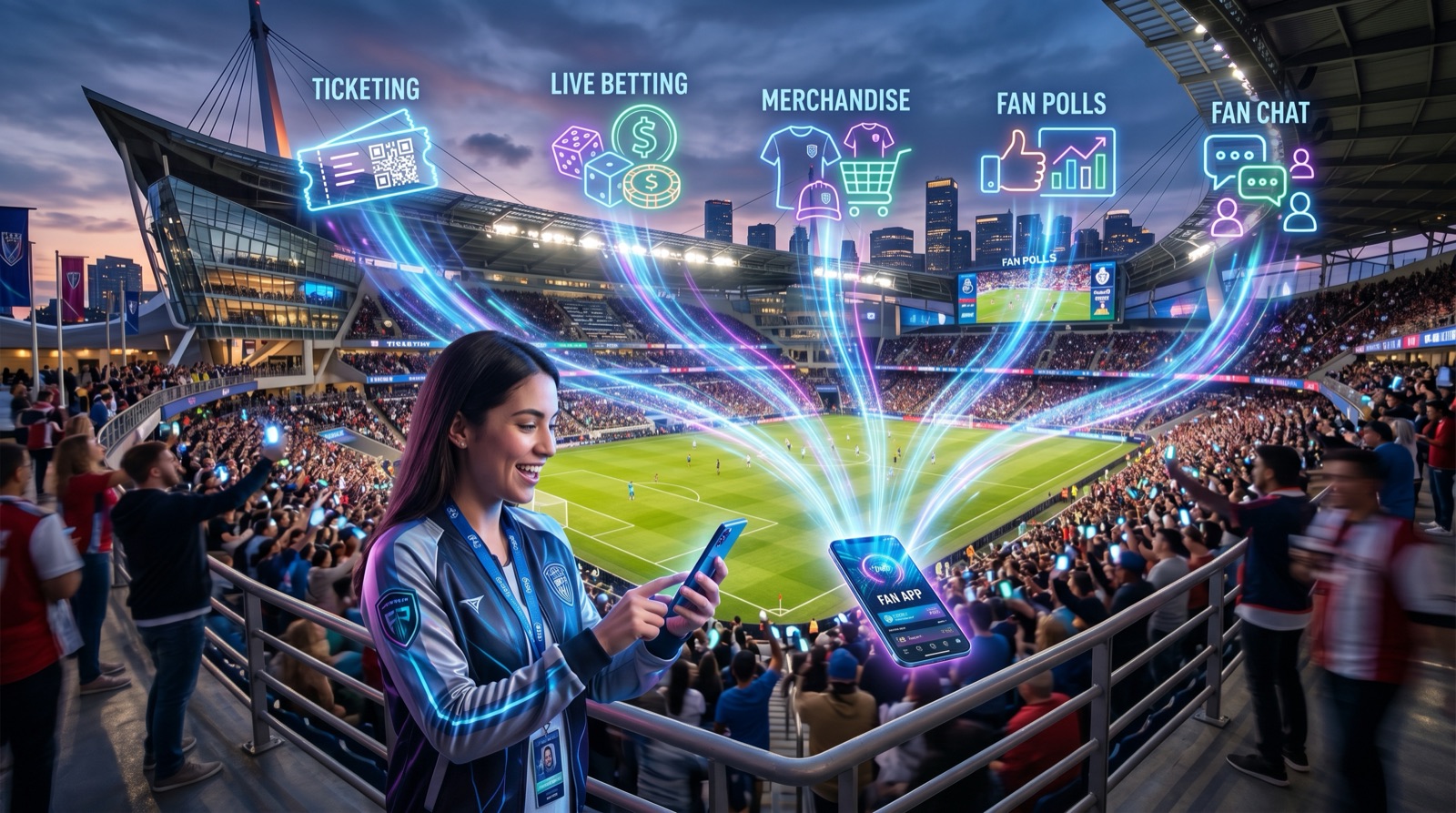
This is being driven by something simple. Everyone already has a powerful device in their pocket. The phone is no longer a distraction from the event. It is becoming part of the experience itself.
You can see this shift across major events.
At the Super Bowl, QR-driven activations and second-screen interactions have become standard, with brands building entire campaigns around real-time fan participation.
In football, clubs are investing heavily in in-stadium digital layers that allow fans to interact, vote, and contribute content live during matches.
The expectation is changing. Fans want to be involved, not just present.
AI Is Personalising the Arena
Artificial intelligence is pushing this further by making experiences personal at scale.
This is no longer theoretical. It is already happening.
Snap recently expanded its Snap Camera Kit integrations across live events and venues, enabling real-time AR and AI-driven fan experiences directly through mobile devices.
At the same time, generative AI tools are being used by sports teams and leagues to create personalised content instantly, from custom graphics to fan-focused highlights.
The direction is clear. Fans are moving away from generic content and towards something that feels like it belongs to them.
When someone leaves an event with a personalised piece of content that includes them, it changes how they remember and share that experience.
AR Is Becoming a Creative Layer
Augmented reality is also finding its place, but in a more practical form than earlier attempts.
Instead of standalone apps that struggle to gain traction, AR is now being delivered through lightweight, accessible formats.
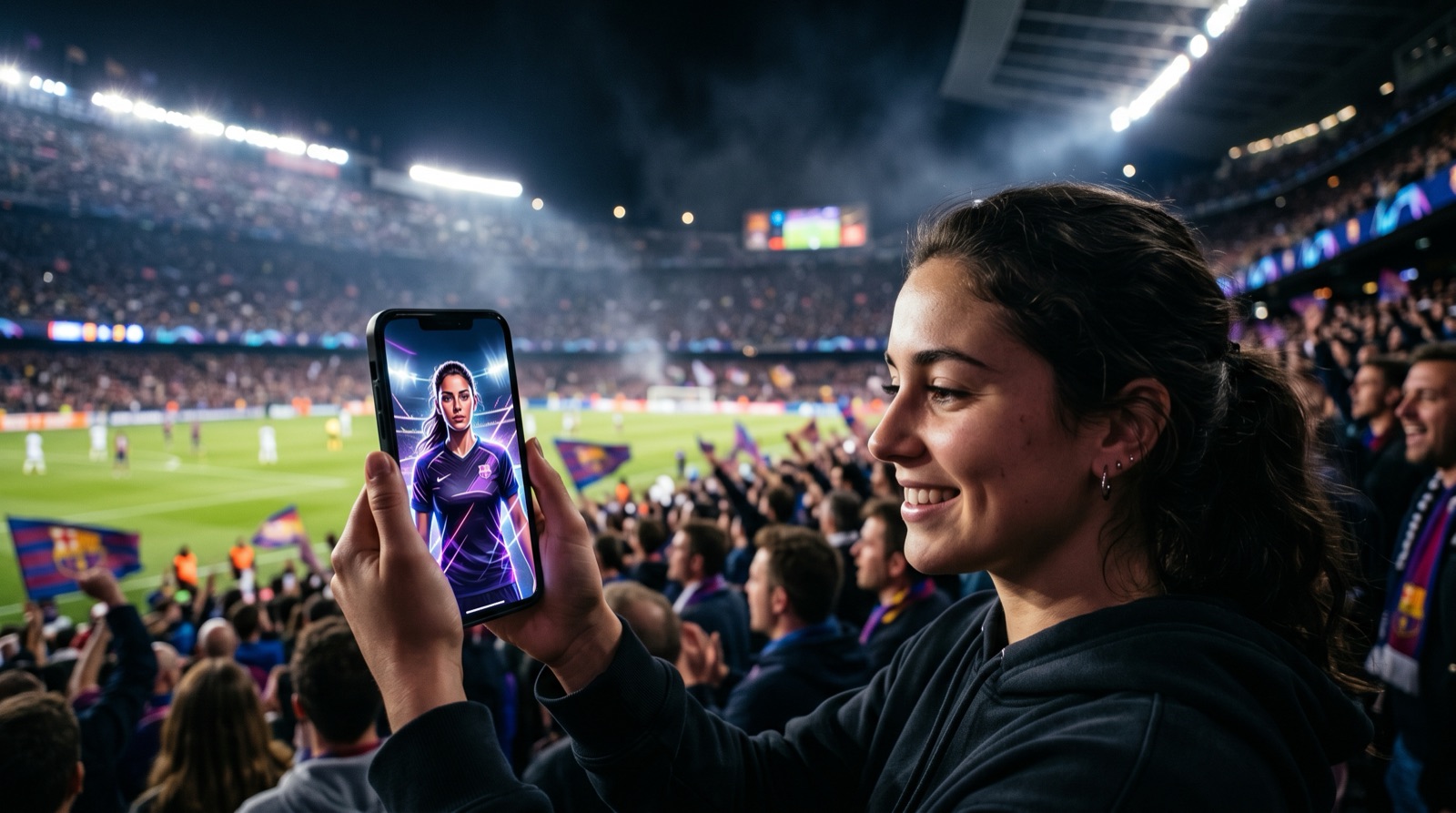
During global tournaments and major entertainment events, AR lenses and filters are increasingly being used to let fans create their own content in the moment. This is less about spectacle on a big screen and more about what happens on personal devices.
The key shift is this. Fans are not just consuming content. They are producing it.
And when thousands of people create and share content from the same event, the reach extends far beyond the venue itself.
The Rise of Synchronised Crowd Experiences
One of the most visible developments is the use of the crowd itself as part of the show.
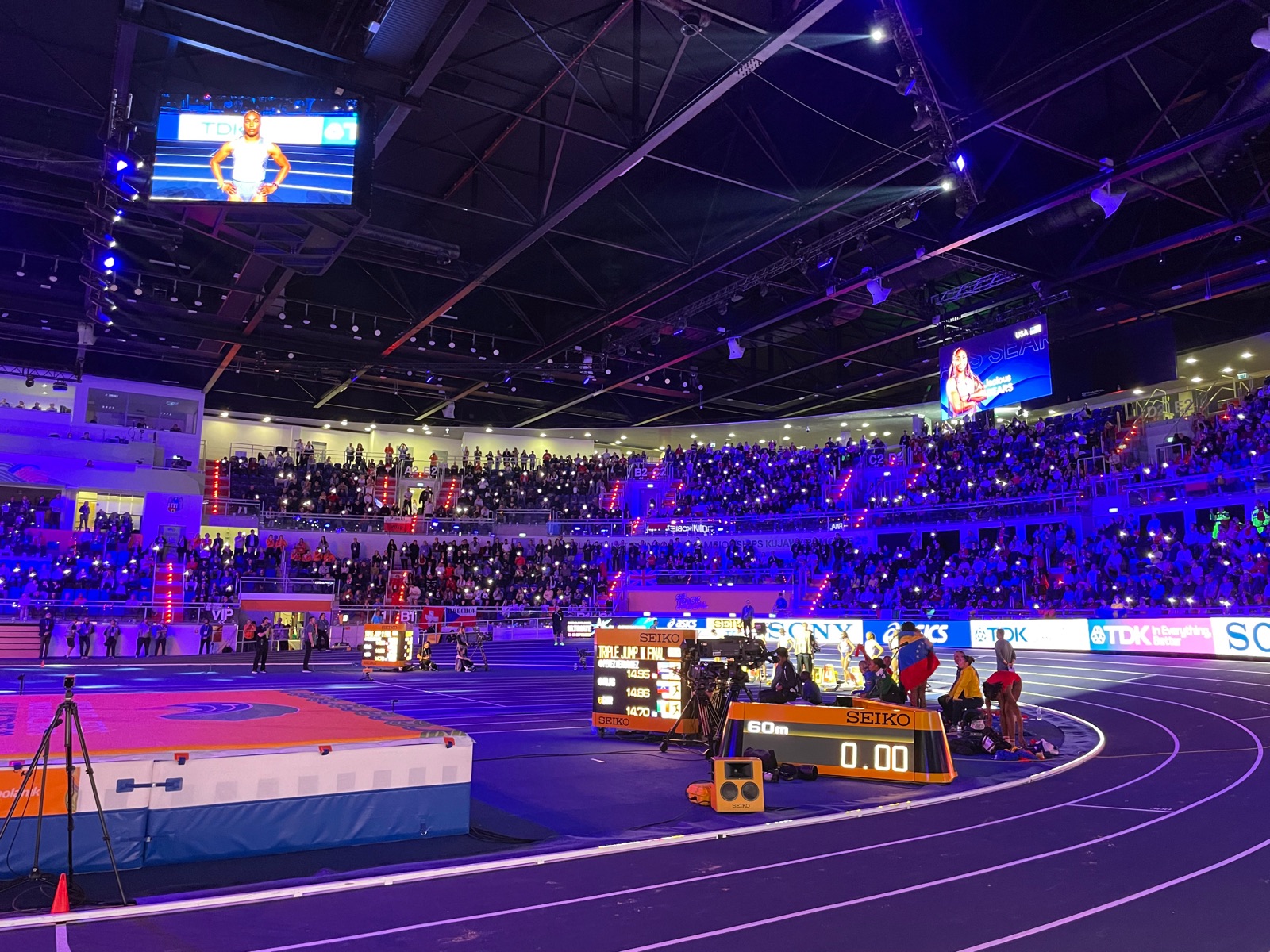
Large-scale device synchronisation is starting to turn audiences into dynamic visual elements.
This has already been seen at global events like the Olympic Games opening ceremonies, where coordinated lighting and audience participation are designed as part of the broadcast moment.
What is changing now is that this level of coordination is becoming accessible at a much wider range of events, not just the largest global stages.
When thousands of devices respond at the same time, the effect is immediate. The crowd becomes part of the spectacle, not just a reaction to it.
What This Means for Organisers
For organisers, this is more than a creative shift. It is a structural one.
Fan engagement is moving from a nice-to-have feature to a core part of the event experience.
There are clear benefits:
- New commercial opportunities through integrated sponsor moments
- Better insight into how fans behave and engage during events
- Stronger emotional connection between fans and the experience
- Extended reach as content created in the venue spreads online
We are already seeing leagues, clubs, and promoters investing in this space at pace.
The Direction of Travel
The underlying technology is no longer the barrier.
QR access, real-time rendering, AI processing, and mobile performance have all reached a point where large-scale participation is realistic.
The shift now is about execution.
The organisers who move early and get it right will define what fans expect from live events in the next few years.
Those who do not will find themselves trying to catch up to a standard that has already been set.
Interested in bringing these experiences to your event? Contact the React team to discuss what's possible.